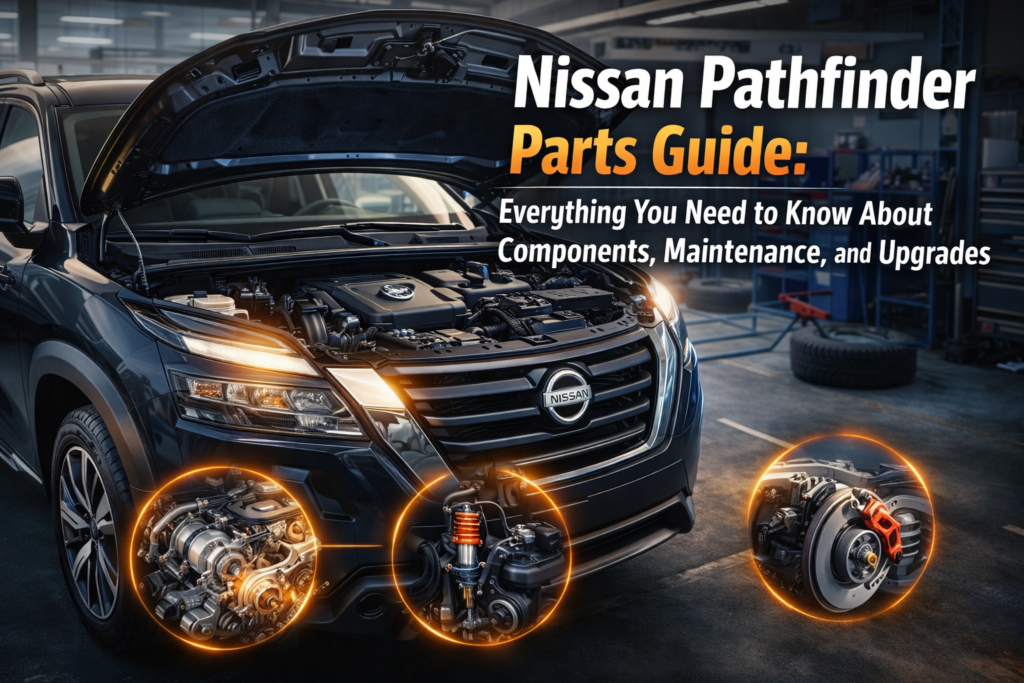
Since its debut in 1986, the Nissan Pathfinder has earned a reputation as one of the most dependable and versatile SUVs on the road. Whether you use it for family trips, daily commuting, or off-road adventures, its durability comes from a carefully engineered combination of parts and systems working together.
But like any vehicle, understanding how its components work can make a huge difference when it comes to maintenance, performance, and long-term reliability.
In this complete guide, you’ll discover the essential parts that make up the Nissan Pathfinder, how they evolved over different generations, and what you should know to keep your SUV running smoothly for years.
The Evolution of Nissan Pathfinder Parts Through the Years
The Nissan Pathfinder has gone through multiple generations, and each one introduced important improvements in design, technology, and mechanical components.
First Generation (1986–1995)
The early Pathfinder was built on a truck-based platform, designed for durability and off-road capability. Key characteristics included:
-
Solid rear axle suspension
-
Leaf springs for rugged performance
-
2.4L four-cylinder engine
-
3.0L V6 engine
These parts prioritized strength and reliability over comfort, making the vehicle ideal for tough terrain.
Second and Third Generations (1996–2012)
During this period, Nissan experimented with different construction styles.
Important upgrades included:
-
More refined suspension components
-
Improved transmission systems
-
More powerful VQ-series engines
-
Better interior materials and electronics
These generations balanced performance, comfort, and practicality.
Fourth and Fifth Generations (2013–Present)
Modern Pathfinder models focus heavily on technology, efficiency, and comfort.
Key improvements include:
-
Advanced driver-assist systems
-
Improved infotainment technology
-
More efficient engines
-
Enhanced suspension design
Because each generation is built differently, parts are rarely interchangeable, which makes identifying the correct model year essential when purchasing components.
Essential Engine and Drivetrain Components
At the heart of every Pathfinder is its engine and drivetrain system, responsible for generating and delivering power to the wheels.
Modern models typically feature a 3.5L V6 engine paired with a 9-speed automatic transmission.
Important engine components include:
-
Cylinder block
-
Pistons and connecting rods
-
Crankshaft
-
Head gasket
-
Valvetrain system
-
Fuel injectors
Recommended engine maintenance
Regular maintenance helps prevent expensive repairs and ensures optimal performance:
-
Inspect timing belt or timing chain
-
Replace spark plugs when required
-
Clean or replace fuel injectors
-
Inspect water pump and cooling system
-
Monitor engine mounts
Suspension and Steering System
The suspension system plays a key role in comfort, stability, and handling.
Key suspension parts include:
-
Shock absorbers or struts
-
Coil springs
-
Control arms
-
Bushings
-
Sway bars
-
Wheel hubs and bearings
Signs of suspension wear
Watch for these common symptoms:
-
Excessive bouncing after bumps
-
Uneven tire wear
-
Knocking noises while driving
-
Vehicle pulling to one side
The steering system also includes important components such as:
-
Steering rack
-
Tie rods
-
Steering column
-
Power steering system
Modern Pathfinders use electric power steering, improving efficiency and reducing maintenance requirements.
Brake System: One of the Most Important Safety Components
The brake system ensures that your SUV can stop safely under all driving conditions.
Key braking components include:
-
Brake pads
-
Brake rotors
-
Brake calipers
-
Brake lines
-
Master cylinder
-
ABS sensors
Warning signs of brake problems
Drivers should watch for these symptoms:
-
Squealing or grinding noises
-
Vibrations during braking
-
Longer stopping distances
-
Brake warning lights on the dashboard
Replacing worn brake parts promptly maintains safety and prevents further damage.
Electrical and Electronic Systems
Modern Pathfinders rely heavily on electronic systems that control performance, safety, and comfort.
Core electrical components include:
-
Battery
-
Alternator
-
Starter motor
-
Wiring harness
-
Fuses and relays
More advanced electronic modules include:
-
Engine Control Module (ECM)
-
Transmission Control Module (TCM)
-
Body Control Module (BCM)
-
Infotainment system
-
Driver assistance sensors
These components act like the “nervous system” of the vehicle, coordinating communication between different systems.
Interior Components and Comfort Features
Inside the Nissan Pathfinder, a wide range of components work together to provide comfort and convenience.
Important interior parts include:
-
Seats and adjustment mechanisms
-
Dashboard and instrument panel
-
Climate control system
-
Audio and infotainment system
-
Interior trim panels
Interior maintenance tips
To keep the cabin in excellent condition:
-
Clean upholstery regularly
-
Replace cabin air filters
-
Protect dashboard surfaces from UV exposure
-
Maintain seat adjustment mechanisms
Exterior Components and Body Parts
Exterior components protect the vehicle and define its appearance.
Important exterior parts include:
-
Body panels
-
Bumpers
-
Headlights and taillights
-
Windows and windshield
-
Weather seals
-
Exterior trim pieces
Regular cleaning and protective coatings help maintain both appearance and resale value.
Recommended Maintenance Schedule
Following a regular maintenance routine helps maximize the lifespan of your vehicle’s components.
Every 5,000–7,500 miles
-
Oil and filter change
-
Tire rotation
-
Brake inspection
-
Fluid level checks
Every 15,000–30,000 miles
-
Replace cabin air filter
-
Inspect spark plugs
-
Check transmission fluid
-
Inspect cooling system
Every 60,000–100,000 miles
-
Replace spark plugs
-
Change differential fluid
-
Inspect suspension components
-
Flush cooling system
Preventative maintenance often saves thousands of dollars in repairs.
The Nissan Pathfinder remains one of the most reliable SUVs thanks to its strong engineering and durable components.
By understanding the key parts, maintenance needs, and upgrade possibilities, owners can extend the life of their vehicle while improving performance and driving comfort.
If you want to get the most out of your Pathfinder, keep exploring our blog for more maintenance tips, upgrade guides, and expert automotive advice designed to help you keep your SUV running at its best.
Complete guide to Nissan Pathfinder parts, maintenance, and upgrades. Learn how each component works and how to keep your SUV running smoothly